Best Time to Visit the Amalfi Coast
So, when is the best time to visit the Amalfi Coast? The answer depends on what you’re looking for. Let’s break it down season by season so you can plan the perfect trip.
3/24/20265 min read
Best Time to Visit the Amalfi Coast
Click here to view the fantastic 6-Day Elite Amalfi Coast, Capri and Pompeii tour with Private Driver
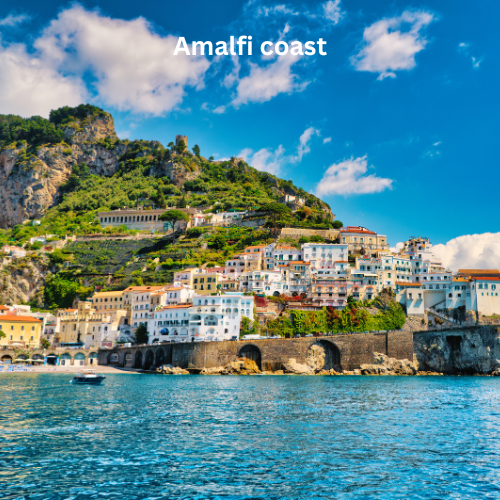
The Amalfi Coast is one of those places that feels almost unreal the first time you see it. Dramatic cliffs plunge into turquoise water, pastel-colored villages cling impossibly to the mountainside, and lemon groves scent the air with that unmistakable Mediterranean freshness. But here’s the truth: when you visit can completely shape your experience.
Plan Your Dream Italy Trip Without the Stress
Some travelers arrive in peak summer and fall in love with the buzz. Others leave feeling overwhelmed by crowds and prices. Meanwhile, those who visit in quieter months often say they’ve discovered a completely different, more authentic side of the coast.
So, when is the best time to visit the Amalfi Coast? The answer depends on what you’re looking for. Let’s break it down season by season so you can plan the perfect trip.
Amalfi Coast 5-Day Itinerary: The Ultimate Guide to Italy’s Most Scenic Coastline
Spring (April to June): The Sweet Spot
If there’s one time of year that consistently ticks almost every box, it’s spring.
From April through June, the Amalfi Coast begins to wake up after winter. Flowers bloom across terraced hillsides, cafés reopen, and the weather becomes pleasantly warm without being overwhelming. Temperatures usually sit between 18–25°C (64–77°F), making it ideal for exploring towns like Positano, Amalfi, and Ravello on foot.
Hotels in Positano:
Medium: Hotel Villa delle Palme
Luxury: Antalia Boutique Hotel
One of the biggest advantages of visiting in spring is the balance. You get lively towns and open attractions, but without the intense crowds of July and August. Prices are also more reasonable, especially in April and early May.
This is also one of the best times for hiking. Trails like the famous Path of the Gods (Sentiero degli Dei) are at their most beautiful, with clear views and comfortable temperatures.
Capri Day Trip Guide: How to Spend the Perfect Day on Italy’s Most Glamorous Island
However, the sea can still be a bit chilly, especially in April. If swimming is a top priority, you may want to aim for late May or June when the water starts to warm up.
Best for: Sightseeing, hiking, photography, and a relaxed atmosphere.
Summer (July to August): Peak Season Energy
Summer is the Amalfi Coast at its most vibrant—and its most intense.
July and August bring hot temperatures (often 30°C / 86°F or higher), packed beaches, and bustling streets. This is when the Amalfi Coast becomes a global hotspot, drawing visitors from around the world.
There’s no denying the appeal. Beach clubs are in full swing, ferries run frequently between towns, and the energy is infectious. Long evenings, seaside dinners, and lively nightlife create that classic Italian summer atmosphere many people dream of.
But there are trade-offs.
Hotels in Amalfi:
Budget: Locanda Costa d'Amalfi
Accommodation prices peak during this period, often doubling compared to shoulder seasons. Restaurants and attractions can get crowded, and getting around—especially along the winding coastal roads—can be slow and stressful.
If you do choose to visit in summer, planning ahead is essential. Book accommodation months in advance, reserve restaurants where possible, and start your days early to avoid the midday heat and crowds.
Best for: Beach lovers, nightlife, and those who enjoy a lively, social atmosphere.
Autumn (September to October): Underrated Perfection
If spring is the classic “best time,” autumn might just be the most underrated.
September still feels like summer in many ways. The sea is warm from months of sunshine, the weather is still pleasant (around 22–28°C / 72–82°F), and the long days continue. But the biggest difference? The crowds begin to thin.
Hotels in Sorrento:
Luxury: Grand Hotel Excelsior Vittoria
By late September and into October, the pace slows down. You’ll find it easier to book restaurants, wander through towns without feeling rushed, and enjoy viewpoints without jostling for space.
This is also a great time for food lovers. Harvest season brings fresh local produce, and restaurants often feature seasonal dishes that you won’t find in peak summer.
One thing to keep in mind: some hotels and beach clubs begin to close in late October, and ferry schedules become less frequent. Still, for many travelers, this trade-off is worth it for the calmer atmosphere.
Best for: A balance of good weather, fewer crowds, and a more authentic feel.
Winter (November to March): Quiet and Authentic
Winter is the Amalfi Coast like you’ve probably never imagined it—quiet, local, and refreshingly slow.
From November through March, the region enters its off-season. Many hotels, restaurants, and tourist services close, especially in smaller towns. Ferry services are limited, and the weather can be unpredictable, with cooler temperatures (10–15°C / 50–59°F) and occasional rain.
But there’s a different kind of beauty here.
Without the crowds, towns like Positano and Amalfi feel more intimate. You can walk through streets that are usually packed in summer and experience a slice of everyday life on the coast. Prices drop significantly, making it one of the most budget-friendly times to visit.
Ravello, in particular, retains a peaceful charm in winter, with its elevated views and quieter pace.
Save money while keeping in touch with your loved ones
Europe eSIM Data | 35 Countries Multi-Country Travel | Email Deliver
Hotels in Ravello:
Medium: Ravello Art Hotel Marmorata
This isn’t the time for beach days or a classic summer holiday. Instead, it’s ideal for travelers who want to slow down, explore culture, and experience the Amalfi Coast beyond its postcard image.
Best for: Budget travel, solitude, and a more authentic local experience.
So, When Is the Best Time to Visit?
If you’re looking for a simple answer:
Best overall: May, June, September
Best for beaches and nightlife: July and August
Best for fewer crowds and great weather: Late May or September
Best for budget travel: November to March
For most travelers, late spring and early autumn hit the perfect balance. You’ll enjoy beautiful weather, manageable crowds, and a more relaxed experience—without missing out on what makes the Amalfi Coast so special.
Click here to read about a luxurious Amalfi Coast adventure.
Final Tips for Planning Your Trip
No matter when you visit, a few smart choices can make a big difference:
Book early in peak months: Summer fills up fast, especially in Positano.
Stay in smaller towns: Consider places like Praiano or Minori for a quieter base.
Use ferries when possible: They’re often faster and more scenic than buses.
Start your days early: Especially in summer, to beat the heat and crowds.
You're going to need travel insurance for your trip. Click here for the best option.
Final Thoughts
The Amalfi Coast doesn’t have a “bad” time to visit—it simply offers different experiences throughout the year.
In spring, it’s fresh and vibrant. In summer, it’s energetic and glamorous. In autumn, it’s relaxed and golden. And in winter, it’s peaceful and authentic.
The best time ultimately comes down to what you want from your trip. Whether you’re chasing sun-soaked beach days, quiet scenic walks, or that perfect mix of both, there’s a season on the Amalfi Coast that will feel just right.
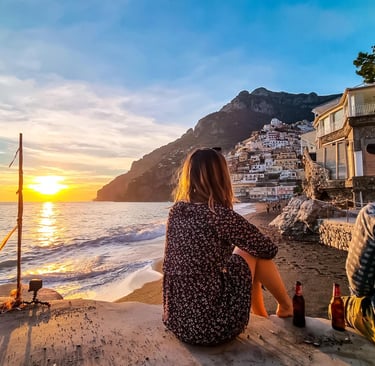
And when you find yourself standing on a cliffside terrace, watching the sun dip into the Mediterranean, you’ll realize something: no matter when you come, the Amalfi Coast has a way of exceeding expectations.