Essential Tips for Your First Visit to the Amalfi Coast
The Amalfi Coast, located along the southern edge of Italy's Sorrentine Peninsula, is renowned for its stunning geography.
2/14/20265 min read


Understanding the Amalfi Coast: Geography and Culture
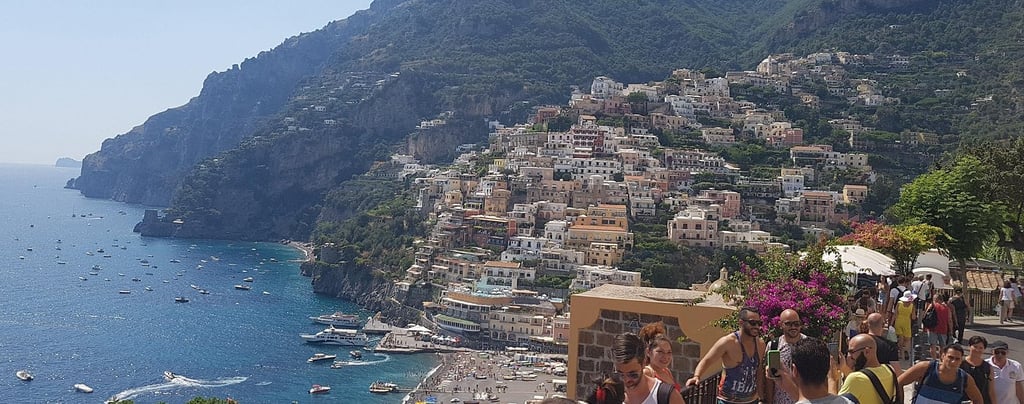
The Amalfi Coast, located along the southern edge of Italy's Sorrentine Peninsula, is renowned for its stunning geography. This UNESCO World Heritage site stretches approximately 50 kilometers and features dramatic cliffs that rise vertically from the Mediterranean Sea. The coastline is dotted with charming villages such as Positano, Amalfi, and Ravello, each exhibiting its distinct architectural style and local culture. These cliffside villages, with their vibrant pastel-colored houses, form a picturesque backdrop for visitors seeking to immerse themselves in the region's beauty.
Is a Private Amalfi Tour Worth It?
Amalfi Coast Luxury Travel Guide: The Ultimate Escape to Italy’s Most Glamorous
The natural landscape is characterized by terraced gardens, olive groves, and lemon orchards, which contribute to the vibrant ecosystem and agricultural heritage of the area. The Mediterranean climate lends itself to an array of flora that flourishes on the hillsides, making the Amalfi Coast not only visually captivating but also a spot of considerable ecological interest. Walking trails, such as the famous Path of the Gods, offer opportunities for hiking enthusiasts to explore this exquisite terrain while enjoying panoramic views of the coastline.
Hotels in Positano:
Medium: Maison Liparlati Positano
Culturally, the Amalfi Coast has a rich history influenced by various civilizations, including the Romans and Byzantines. Its historical significance is evident in its architecture, art, and culinary traditions. Visitors can indulge in local cuisine featuring fresh seafood, handmade pasta, and the iconic Limoncello, a traditional lemon liqueur representing the region. Festivals celebrating local patron saints and agricultural harvests create vibrant atmospheres throughout the year, showcasing the deep-rooted traditions that define this coastal paradise. Embracing the geography and culture of the Amalfi Coast provides a more profound appreciation for its allure, making it a must-visit destination for travelers seeking both relaxation and exploration.
Best Time to Visit and What to Expect
The Amalfi Coast is a stunning destination that can be visited year-round, but the experience can vary significantly based on the season. The best time to visit typically falls between late April and early June, and from mid-September to October. During these shoulder months, visitors can enjoy pleasant weather, with temperatures ranging from 70°F to 80°F (21°C to 27°C), and fewer crowds compared to the peak summer season.
Click here to see the 6-Day Elite Amalfi Coast, Capri and Pompeii tour with Private Driver
Live the dream of the Amalfi Coast and Capri with a 6-day private tour, designed for those seeking excellence. Forget the stress of transportation: you'll have a private driver in a luxury vehicle (10 hours/day) and an official guide at your disposal for an elite experience to and from Rome.
Peak tourist season runs from mid-June to August. This period witnesses an influx of visitors, which means the coastal towns are bustling with activity, restaurants are busy, and prices for accommodations often soar. While the lively atmosphere may be appealing to some, the high temperatures, often exceeding 85°F (29°C), can be overwhelming. Moreover, parking spaces become scarce, making it challenging to explore the area around the Amalfi Coast.
Hotels in Ravello:
If you prefer a more tranquil experience and lower costs, visiting during the off-peak months of late October to March is recommended. Although the weather can be somewhat unpredictable with occasional rain, the milder temperatures can still be enjoyable for hiking and other outdoor activities. It's also a fantastic opportunity to immerse yourself in local culture, as towns are less crowded and offer a more authentic experience.
When planning your stay, it is crucial to book accommodations in advance, especially during the peak season. This not only ensures availability but also gives you the chance to secure better rates. Additionally, consider making reservations for popular restaurants and tours to avoid missing out during your visit. The key to enjoying the Amalfi Coast lies in understanding its seasonal dynamics and choosing a time that aligns with your preferences, ensuring a memorable experience in this picturesque region.
Essential Packing Tips and Travel Essentials
Packing for a trip to the Amalfi Coast requires careful consideration of the region's distinct climate, varied terrain, and popular activities. Given the hot Mediterranean summers and mild winters, the choice of clothing is paramount. Lightweight, breathable fabrics such as cotton and linen are advisable for daytime wear to help keep you cool during excursions. Additionally, consider packing layers for cooler evenings, as temperatures can drop significantly after sunset.
Footwear is another critical aspect of your packing list. The Amalfi Coast is renowned for its steep cliffs and charming but sometimes challenging paths. Comfortable walking shoes are essential for hiking and exploring the coastal towns. Sturdy sandals with good arch support are ideal for beach outings, providing both comfort and practicality. Be sure to pack a pair of flip-flops for lounging at the beach or poolside.
Hotels in Capri:
Travel accessories can enhance your overall experience in the Amalfi Coast. A good sun hat and sunglasses can protect you from the intense sun, while a reusable water bottle is vital for staying hydrated during long walks. A compact daypack is useful for carrying essentials such as sunscreen, snacks, and a camera while you explore. Don't forget a swimsuit if you plan to enjoy the region's beautiful beaches!
Also, consider bringing a lightweight rain jacket or windbreaker. While the weather in this part of Italy is typically pleasant, sudden rainfall can occur, particularly in the spring and fall. Preparing for such changes ensures that you remain comfortable and can fully enjoy your visit. In summary, effective packing for the Amalfi Coast enhances not only your comfort but also your ability to engage with all that this picturesque destination has to offer.
Navigating the Amalfi Coast: Transportation and Local Tips
The Amalfi Coast is renowned for its breathtaking views, charming villages, and vibrant culture. However, experiencing this stunning coastline fully requires an understanding of the various transportation options available. Whether you're seeking the convenience of renting a car or opting for public transport, this guide aims to provide a comprehensive overview of navigating the Amalfi Coast.
Public transport is a popular and cost-effective method for getting around the region. The SITA bus service provides frequent connections between the main towns, including Positano, Amalfi, and Ravello. Buses run regularly, but it is advisable to check schedules in advance, particularly during the peak season when demand is high. Additionally, ferries are available for those wanting to travel between coastal towns; these offer a scenic alternative to road travel while providing stunning views of the coast from the water.
For those who prefer greater flexibility, car rental is also an option. However, it is worth noting that driving along the Amalfi Coast can be challenging due to narrow roads, sharp turns, and limited parking. Visitors should be cautious and ensure they have a solid understanding of local driving regulations. Alternatively, consider hiring a private transfer service, which offers a stress-free way to navigate the region without the hassle of parking or navigating complex roads.
Click here to view 6-Day Elite Amalfi Coast, Capri and Pompeii tour with Private Driver
In addition to using public transport or renting a car, exploring the less-touristy spots can greatly enhance your experience. Consider wandering through the lesser-known trails or visiting small villages like Praiano or Minori. These locations not only provide a more authentic taste of the local culture but also allow visitors to avoid the crowds typical of major tourist hotspots. Engaging with locals can lead to hidden gems that showcase the true beauty of the Amalfi Coast.